
Therefore, health care practitioners do not wait for people to ask for help. They may suspect alcohol use disorder in people whose behavior changes inexplicably or whose behavior becomes self-destructive. They may also suspect alcohol use disorder when medical problems, such as high blood pressure or stomach inflammation (gastritis), do not respond to usual treatment.
How is alcohol addiction diagnosed?
No approach has benefited so many people with alcohol use disorder as effectively as Alcoholics Anonymous (AA). AA is an international fellowship of people who want to stop drinking. The program operates on the basis of how to recognize signs and symptoms of alcoholism and alcohol abuse the “Twelve Steps,” which offers problem drinkers a new way of living without alcohol.
Get help for alcoholism now
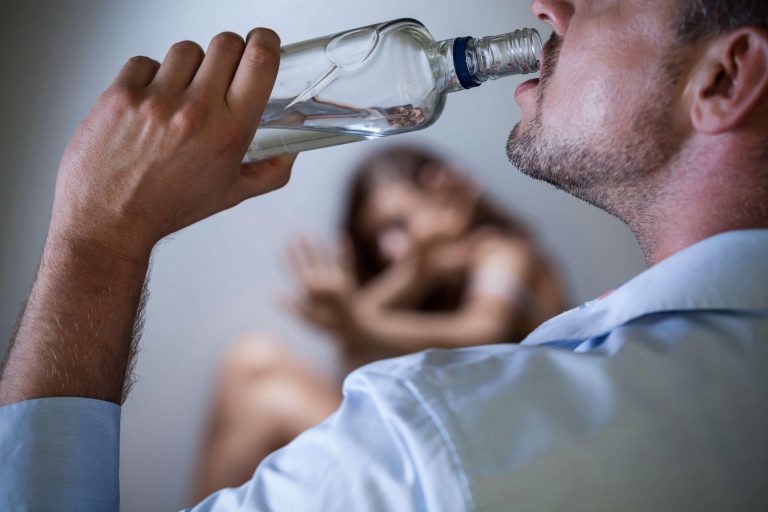
In more serious cases, you might face dangerous complications like seizures or delirium tremens. Your body has adapted to alcohol’s presence, making it difficult to function normally without it. This adaptation often leads to a cycle of increased consumption to avoid withdrawal discomfort, further escalating both tolerance and dependence.
Symptoms of Alcohol Use Disorder (AUD)
Assure Recovery is a premier, evidence-based drug rehab and alcohol treatment center. If you or a loved one is ready to overcome addiction and commit to life-changing treatment, we are here to help. Simply fill out our contact form and we’ll be in touch with you as soon as possible. You deserve a life defined by choice and well-being, not by alcohol’s influence. To explore a path to lasting sobriety and reclaim your life, contact Assure Recovery today. Our compassionate team is ready to support you every step of the way.
Psychological Signs of Alcoholism
With the help of professional treatment, you can put an end to your alcohol abuse and start your life anew. Alcohol is one of the most frequent co-intoxicants used with other drugs but can be toxic in very high amounts by itself. When combined with other depressant drugs such as benzodiazepines, opioids, and barbiturates, death may occur from an alcohol overdose due to marked slowing or cessation of breathing and heartbeat. Confusion, vomiting, low blood pressure, and low body temperature may all be present as well. In moderate to severe cases of alcohol withdrawal, hallucinations, seizures, or delirium may occur.
MEDICAL ENCYCLOPEDIA
Research shows that genetics account for about 50% of your risk for developing alcohol use disorder. If you have a family history of alcoholism, you’re more likely to develop addiction, but it’s not guaranteed. Your genes interact with environmental factors, meaning that having genetic risk doesn’t determine your drug addiction treatment fate – it just means you’ll need to be more cautious with alcohol use. During alcohol withdrawal, you’ll likely experience worsening diarrhea that can lead to dangerous electrolyte imbalances and dehydration.
Can an alcoholic just cut back or stop drinking?
- Signs and symptoms of drug use or intoxication may vary, depending on the type of drug.
- Then, they must receive comprehensive treatment to address the roots of their alcohol abuse.
- Your career advancement stalls as poor performance reviews accumulate and opportunities for promotion disappear.
- In moderate to severe cases of alcohol withdrawal, hallucinations, seizures, or delirium may occur.
- A hallmark of alcohol use disorder (AUD) is the compulsion to drink despite negative consequences, leading to the neglect of important activities and obligations.
Drinking a lot on a single occasion slows the body’s ability to ward off infections–even up to 24 hours later. Alcohol interferes with the brain’s communication pathways and can affect the way the brain looks and works. These disruptions can change mood and behavior and make it harder to think clearly and move with coordination. More information about alcohol’s effects on the brain is available on NIAAA’s topic page on Alcohol and The Brain.
Signs of Alcohol Misuse in Teenagers
Contact a healthcare professional if you notice any withdrawal symptoms. Various internal and external factors play a role in the development of alcohol addiction. Although drinking is a personal choice, studies show that some factors are out of a person’s control. How to recognize the physical, emotional, and behavioral signs of alcohol addiction and when to seek help.